Affiliate Disclosure: IronThaw may earn a commission when future partner links are added. This guide is informational and does not include paid product placement, fake reviews, or placeholder rankings.

Short answer: Choose an infrared sauna blanket if you need the lowest-cost, smallest-space way to try heat therapy at home. Choose a full infrared sauna if you have room, want to sit upright, share sessions, breathe more freely, and keep the setup for years. For most beginners, the better choice is the one you can use consistently without dreading setup or cleanup.

The infrared sauna blanket vs sauna question usually starts with price, but it should not end there. A blanket can look like an easy win because it stores under a bed and costs far less than a cabin. A full sauna can look excessive until you consider comfort, airflow, cleaning, and how likely you are to keep using it six months from now.

This comparison is for beginners who are building a home recovery routine, not trying to replace medical care. Heat exposure can be stressful, especially if you are dehydrated, sick, pregnant, taking medications, or managing cardiovascular, blood pressure, fainting, or heat-sensitivity concerns. When in doubt, ask a qualified professional before starting.

Quick comparison: sauna blanket vs full sauna

Factor Infrared sauna blanket Full infrared sauna
Best forRenters, small spaces, lower budgetsDedicated recovery rooms and long-term comfort
Body positionLying down, mostly stillSitting upright or reclining, depending on model
SetupUnroll, preheat, towel layer, wipe downPermanent or semi-permanent installation
ComfortCan feel restrictive or humid insideMore open, easier to breathe and stretch
CleaningNeeds wipe-down after sweaty sessionsBench towels, ventilation, periodic surface cleaning

What a sauna blanket does well

A sauna blanket is the practical entry point for many people. It is portable, private, and does not require remodeling a room. If you live in an apartment, share space, or are not sure heat therapy will become a real habit, the blanket lets you test the routine without committing to a large piece of furniture.

The main advantage is friction. You can keep a blanket near your bed or couch, wear lightweight clothes or use a towel barrier, and start with short sessions. That makes it easier to pair with simple habits like mobility work, evening wind-down, or a recovery day after training. If your budget is also going toward a beginner cold plunge setup or a red light therapy panel, a blanket may leave more room for the full recovery stack.

Where a blanket feels limited

The same design that makes a blanket compact can make it less comfortable. You are zipped or folded into a warm sleeve, usually lying still. Some beginners dislike the closed-in feeling, the dampness from sweat, or the extra cleanup. If you are the kind of person who avoids a workout because the gear is annoying, this matters.

Blankets also do not feel like a social or spa-like sauna session. You are unlikely to share it, stretch inside it, read comfortably, or enjoy the same upright breathing room. That does not make a blanket bad. It just means the best buyer is someone who wants a compact personal tool, not a full sauna experience.

What a full infrared sauna does well

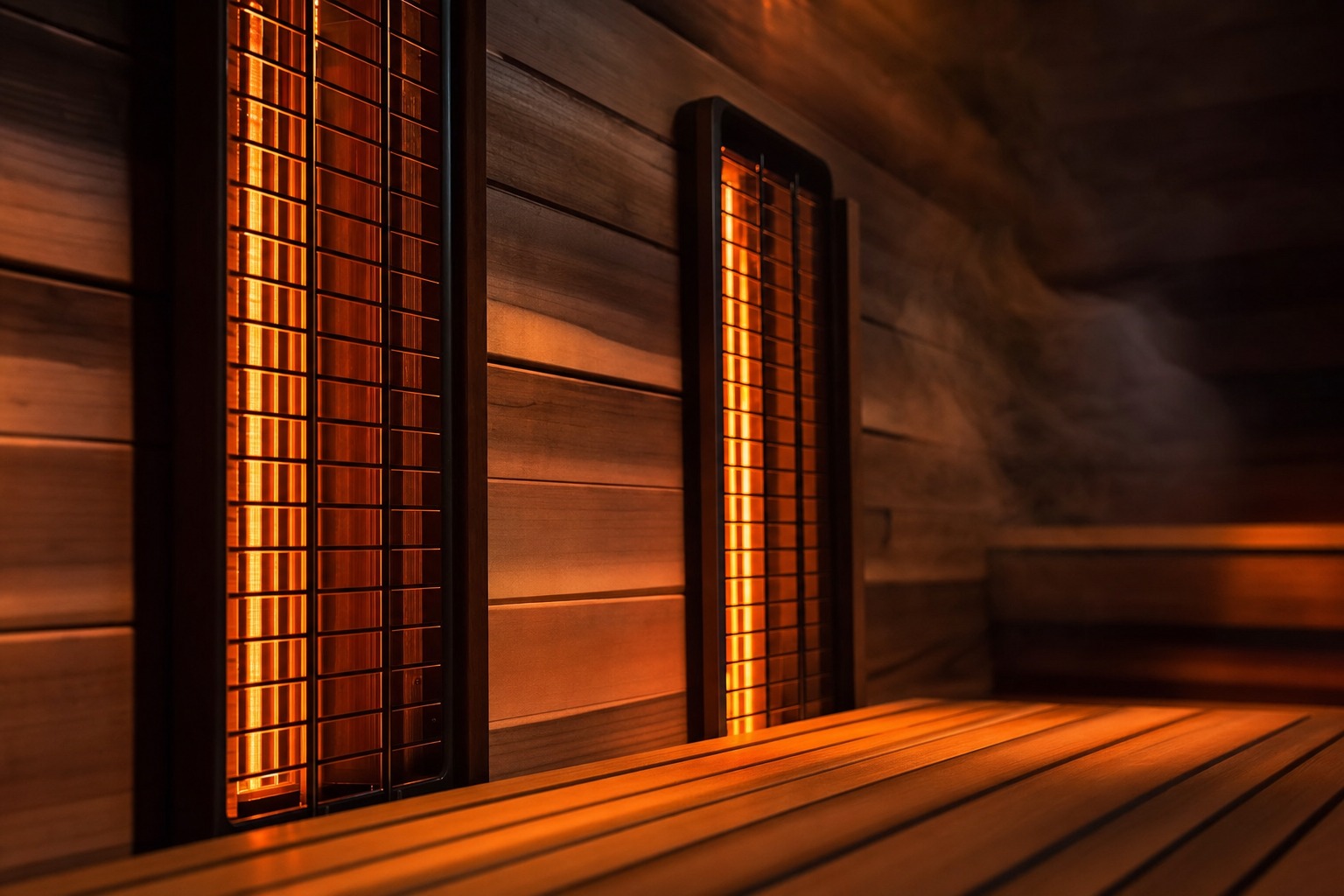
A full infrared sauna is usually better for comfort and long-term habit building. Sitting upright feels more natural for many users, and the open air around your head can make heat sessions feel easier to manage. You can use towels on the bench, control ventilation, and create a dedicated recovery space that is ready whenever you are.

The trade-off is commitment. A cabin-style sauna costs more, takes space, and may require more planning around electrical needs, floor protection, delivery, and assembly. If you own your home, have a spare room, and already know you like heat sessions, that commitment may be worthwhile. If you are still experimenting, it may be too much too soon.

Beginner routine: start lower than your ego wants

Whether you choose a blanket or a sauna, start with a conservative routine. More heat is not automatically better, and the goal is to build tolerance without feeling wiped out.

If you train hard, use heat after workouts or on recovery days at first. Avoid stacking a long sauna, intense cold exposure, heavy lifting, alcohol, and poor hydration into the same window. For sequence ideas, read cold plunge before or after sauna and the broader IronThaw recovery stack protocol.

Safety and cleanup checklist

So which should you buy first?

Buy the blanket first if budget and space are your biggest constraints. It is the better experiment. Buy the full infrared sauna if you already enjoy heat exposure, have a dedicated spot, and want the more comfortable long-term routine. If both options feel expensive, wait. A regular warm bath, gentle mobility, sleep improvement, and walking routine may deliver more practical benefit than buying recovery gear you rarely use.

Bottom line: A sauna blanket wins on price, portability, and low commitment. A full infrared sauna wins on comfort, airflow, shared use, and long-term experience. Pick the setup that removes friction from your routine, then keep sessions mild until you know how heat affects you. For more beginner education, visit the IronThaw Blog or the main infrared sauna guide.