Affiliate Disclosure: IronThaw may earn a commission when future partner links are added. This informational guide contains no paid product placement, fake reviews, or placeholder product buttons.

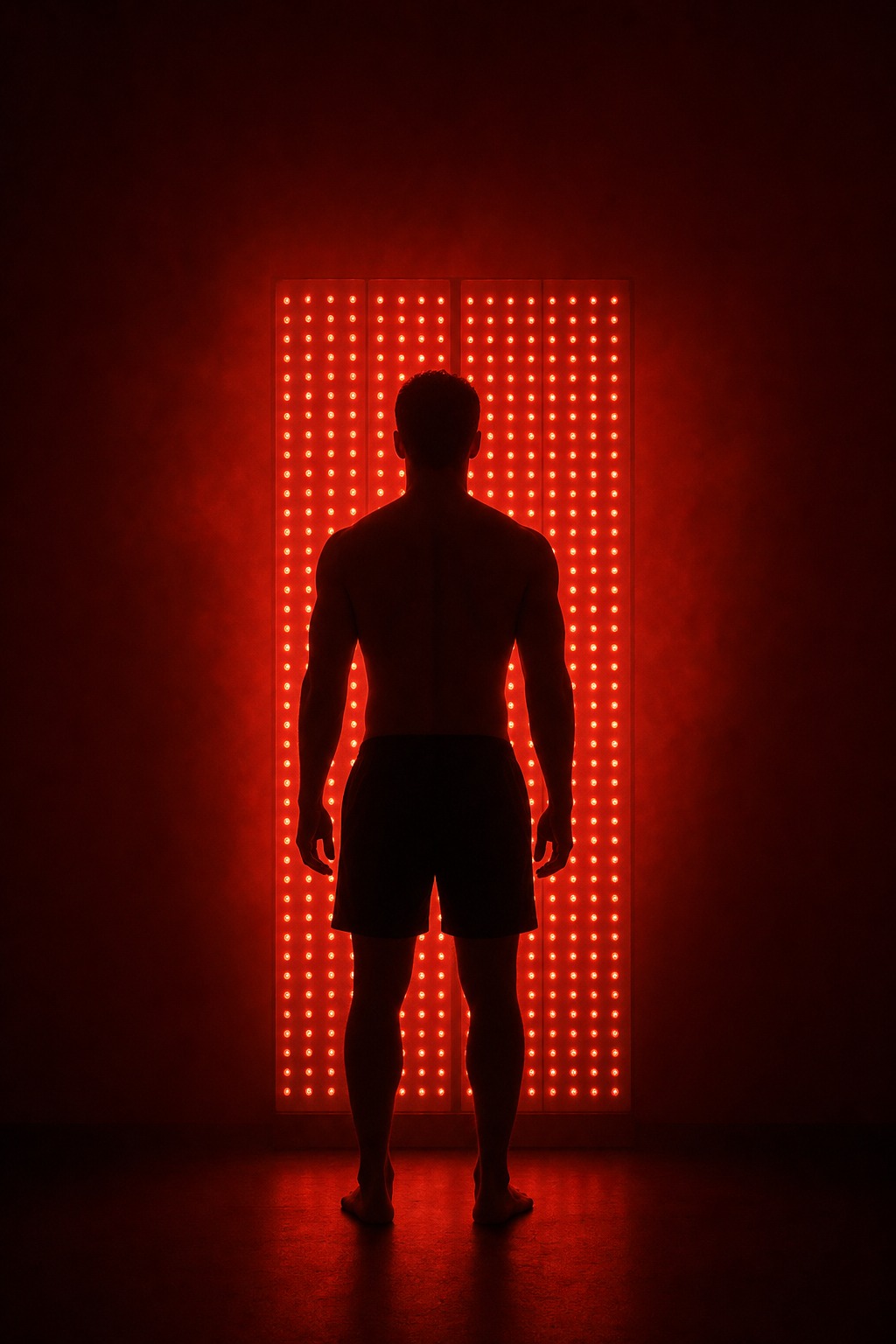
Short answer: You can use red light therapy before or after a workout. Before training may fit a short preparation routine; after training is often easier to pair with a cool-down and recovery habits. There is no universal winning time. For beginners, consistent use at the distance and duration specified by the device matters more than squeezing the session into a perfect minute.

Workout timing sounds like a small decision, but it can turn a simple red light routine into a confusing one. Some people use a panel before lifting because they want to feel ready to move. Others wait until after training because the session feels like a natural recovery ritual. Both approaches are reasonable, and neither should be treated as a shortcut around the basics.

Red and near-infrared light therapy—often called photobiomodulation—is being studied for exercise performance and recovery, but devices, doses, participants, and outcomes vary. A positive study does not make every home panel or protocol equivalent. Use the comparison below to choose a practical starting point, then keep your setup stable long enough to judge how it fits your routine.

Before vs after workout at a glance

Timing May suit you if Main caution
Before workoutYou have time before training and want to attach light use to your warm-up routine.It does not replace dynamic movement, gradual loading, or sport-specific preparation.
After workoutYour goal is a calm recovery habit and you can expose the muscles you trained.More time is not automatically better after a hard session; follow the device dose.
Later that dayThe gym is rushed, but you can use your home panel consistently in the evening.Avoid bright, stimulating routines near bedtime if they seem to disrupt your sleep.

When red light therapy before a workout makes sense

Pre-workout red light therapy may be a good fit when the panel is at home and your training starts there. You can expose the main muscle groups you plan to use, finish the light session, and then perform your normal warm-up. This sequence is easier for strength sessions than for a rushed commute to a gym.

Keep the role of the panel clear: it is an optional layer before preparation, not preparation itself. Your joints and muscles still need movement through the relevant ranges, progressively heavier sets, or easy sport-specific practice. If something hurts during the warm-up, do not use a light session as evidence that it is safe to push through.

A simple pre-workout routine

  1. Choose one or two muscle areas that match the day’s training.
  2. Use the panel at the manufacturer’s recommended distance and exposure time.
  3. Complete a normal dynamic warm-up after the light session.
  4. Start training with conservative loading and assess how you actually feel.

If you are unsure about panel distance, start with the red light therapy distance chart. A powerful panel used close to the skin may deliver a very different dose than a small device at the same distance.

Why after-workout timing is easier for many beginners

Post-workout use is usually the simpler default because it does not complicate the warm-up or make you late for training. You can finish your cool-down, drink water, eat according to your normal plan, and use the panel on the areas that worked hardest. If immediate use is inconvenient, later the same day can still be a more sustainable choice than skipping the session.

After-workout timing also makes it easier to separate normal muscle fatigue from a device response. Keep the first few weeks boring: use a stable distance, duration, and weekly frequency. Then note whether soreness, comfort, sleep, or willingness to train changes. Our red light therapy for sore muscles guide covers this recovery use case in more detail.

Beginner dose and weekly schedule

No single minute count fits every device. Irradiance, distance, body area, wavelengths, and pulsing settings can all change exposure. Treat your manufacturer’s manual as the primary dosing guide. If it gives a range, begin near the conservative end rather than doubling the session because the light feels gentle.

Training day Example timing Beginner focus
Monday: lower bodyAfter workoutTarget quads or hamstrings using the manual’s dose.
Wednesday: upper bodyBefore workoutTry a conservative session, then perform a full warm-up.
Friday: full bodyLater that dayChoose the area that needs the most attention instead of treating everything.
Rest daysOptionalDo not add sessions just to meet a streak if your plan does not call for them.

Three or four workout-adjacent sessions per week is enough to learn how a routine fits for many beginners, but the correct frequency depends on the device and your goals. See how often to use red light therapy before assuming daily exposure is necessary.

Common timing mistakes

Safety and expectations

Follow your device instructions for distance, duration, eye protection, body areas, and contraindications. Do not stare directly at intense LEDs. Ask a qualified healthcare professional before use if you have a photosensitive condition, significant eye concerns, pregnancy concerns, active cancer concerns, or take medication that may increase light sensitivity. Stop if you notice headache, eye discomfort, unusual skin irritation, dizziness, or other concerning symptoms.

Red light therapy may become a useful supplement, but it cannot rescue a training plan that exceeds your recovery capacity. Sleep, nutrition, sensible progression, and rest remain the foundation. If you track your routine, record timing, distance, duration, trained muscles, and next-day soreness for two to four weeks. That gives you more useful information than judging a single session.

Frequently asked questions

Is red light therapy better before or after a workout?

Neither is universally better. Choose before if it cleanly fits your preparation routine; choose after if it is easier to repeat as part of recovery.

How soon after a workout can you use it?

You can generally fit a device-appropriate session after your cool-down or later the same day. Convenience, comfort, and consistent dosing matter more than rushing to the panel.

Can red light therapy replace a warm-up?

No. Keep your normal dynamic, progressive, and sport-specific warm-up even when using light beforehand.

Bottom line: Use red light therapy before a workout when it fits your preparation routine, or after when you want a simpler recovery habit. Keep the dose conservative, follow the device manual, and change only one variable at a time. Explore the IronThaw Blog, the complete red light therapy guide, or our guide to the best time of day for red light therapy for more beginner-friendly planning.